
When a commercial truck has issues such as a cracked bracket, a damaged step, a broken trailer hinge, or a loose mount, repairs can cause delays, create safety hazards, or sideline trucks. Mobile welding provides a practical solution for certain issues without towing, but it's not a shortcut; it requires proper prep.
What Mobile Welding Means For Heavy-Duty Trucks
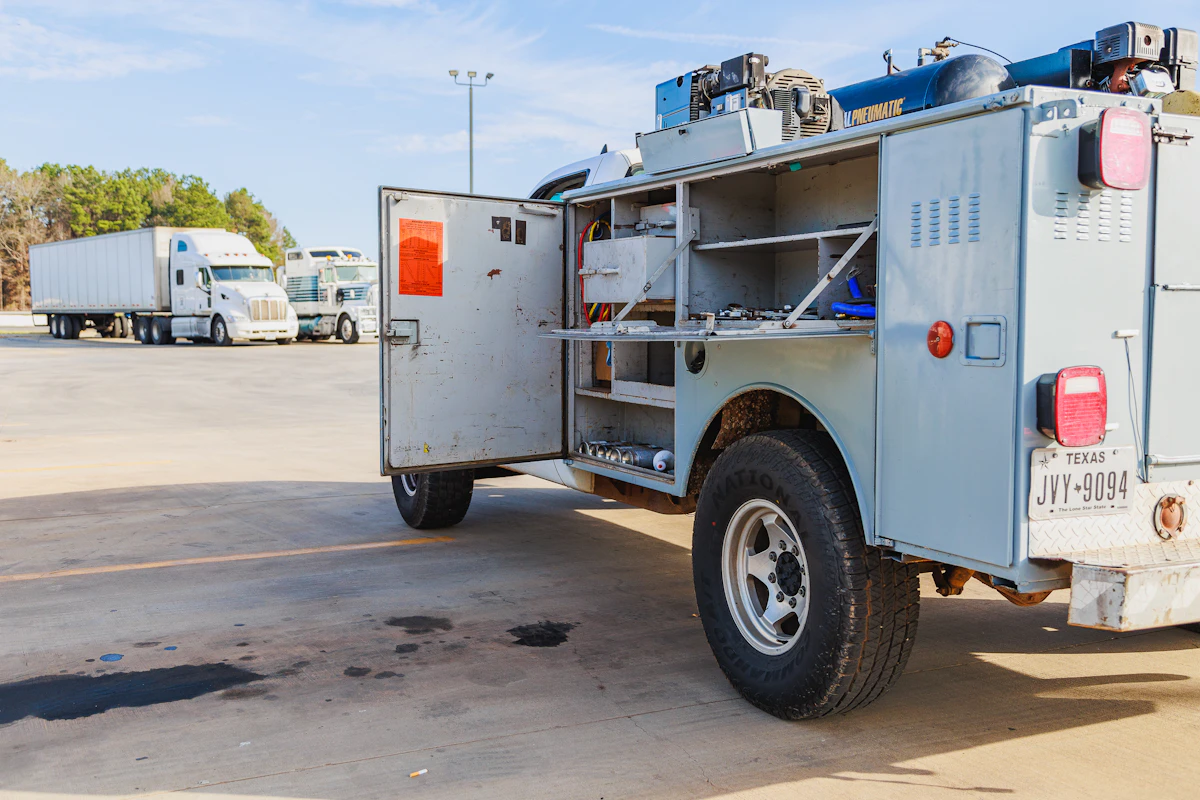
Mobile welding for heavy-duty trucks brings welding equipment, fabrication tools, and repair capability directly to the vehicle. Depending on the repair, the service may take place at a fleet yard, job site, loading dock, farm, roadside location, or construction area.
The goal is to safely and efficiently restore the damaged component while avoiding unnecessary equipment movement. In many cases, mobile technicians can inspect the failed area, clean and prepare the metal, complete the weld, add reinforcement when appropriate, and confirm that the repaired component is secure.
However, field welding has limits. Repairs involving major structural damage, extensive corrosion, frame alignment concerns, or safety-critical systems may require a controlled shop environment. The best outcome starts with a careful inspection, not assumptions.
Common On-Site Welding Repairs
Many non-structural and moderate-duty metal repairs are suitable for on-site welding, involving accessible parts that can be cleaned, welded, and inspected without disassembly. Common repairs include:
- Cracked steps, grab handles, and walk plates
- Broken mud flap hangers and fender brackets
- Damaged trailer hinges, latches, and ramp supports
- Loose toolbox, tank, or battery box brackets
- Exhaust hangers and mounting tabs
- Light-duty guards, racks, and accessory mounts
- Select crossmember, support, and reinforcement repairs
Commercial motor vehicle rules set minimum standards for parts and accessories required for safe operation, and carriers cannot operate vehicles that do not meet these requirements. A cracked mount or damaged support that affects safety, securement, visibility, access, or operation needs prompt attention.
Brackets, Mounts And Supports
Brackets and mounts are among the most common reasons fleets request commercial truck welding. These components hold air tanks, battery boxes, fuel-related guards, steps, fenders, hydraulic components, toolboxes, and other equipment.
A bracket may seem simple, but it handles vibration, shock, corrosion, and repeated loading. When a weld cracks or a tab tears, attached components can shift, rattle, sag, or stress nearby parts. Metal fabrication often solves issues when original parts are too worn or damaged. Technicians can create replacements, add gussets, reinforce mounts, or restore fit to keep components secure during normal use.
Trailer Welding Repairs
Trailers endure repeated impacts, weather, and stress, which can damage hinges, latch plates, door frames, ramp supports, landing gear brackets, rear guards, and light mounts. Mobile trailer welding repairs enable technicians to assess and repair on-site damage, determining whether welds, reinforcement plates, hinges, or supports are needed.
Trailer repairs must comply with the vehicle’s operating requirements, including cargo securement, lighting, impact protection, and coupling, all of which are crucial for road safety. FMCSA standards require repairs to support safe operation, not just appearance.
Steps, Catwalks And Access Points
Drivers rely on steps, catwalks, and grab handles daily. These components help operators enter the cab, access trailers, connect air lines, inspect equipment, and work safely around the vehicle.
A cracked step bracket or loose grab handle poses a fall risk, so repairs must be made before use. Mobile welding can fix cracked mounts, reinforce tread plates, repair brackets, or replace supports. For fleet managers, these repairs are essential—they're visible, practical, and safety-related. A secure step prevents injuries and downtime.
Exhaust Hangers And Aftertreatment Support
Modern diesel exhaust systems include multiple components that must remain properly supported. Exhaust pipes, hangers, clamps, shields, and aftertreatment-related mounting points can loosen or fail due to vibration, thermal cycling, corrosion, or impact.
A broken exhaust hanger can cause sagging or vibrating, stressing sensors, wiring, clamps, and aftertreatment parts. Roadside welding may be suitable for accessible hangers, tabs, or brackets. Technicians should be cautious with heat-sensitive parts, wiring, air and fuel lines, and emissions equipment. Welding generates fumes, heat, and sparks, so proper ventilation, shielding, and fire safety are essential during field repairs.
Frame Welding And Structural Concerns
Frame-related welding demands higher judgment. A heavy-duty truck frame supports loads, withstands road forces, and supports major systems. Poor technique, improper reinforcement, or wrong-area welding can cause stress points and future failures.
Some minor frame-adjacent repairs, like crossmember, support, or mounting reinforcement, can be done on-site. However, major cracks, collision damage, severe corrosion, frame twist, or alignment issues usually need a shop evaluation.
Structural welding standards ensure weld quality for strength, reliability, and safety. AWS D1.1 covers welding for common carbon and low-alloy steels and is a formal set of rules when included in contracts. Before any truck repairs, a qualified technician should assess if mobile repair is suitable.
Suspension Mounts And Crossmembers
Suspension components face weight, shock, rebound, and vibration, leading to cracking or wear, especially on heavily loaded or rough-condition trucks. On-site repairs are possible if damage is isolated and accessible; however, if repairs impact axle position, ride height, frame, or steering, shop repair is recommended.
This distinction matters. Suspension problems can affect handling, tire wear, braking stability, and load distribution. The repair should restore strength and proper alignment, not merely close a visible crack.
Custom Fabrication For Work Trucks
Not every mobile welding call begins with a breakdown. Many businesses request custom truck fabrication to make their equipment more practical for daily work. Field fabrication may include:
- Tool mounts and storage brackets
- Ladder rack supports
- Light bar and safety equipment mounts
- Hydraulic tank brackets
- Bumper modifications
- Headache rack repairs
- Guarding and reinforcement plates
- Custom supports for vocational equipment
Heavy-duty truck fabrication helps technicians evaluate trucks in real-world environments. On-site measurements, clearance points, access, load paths, and equipment placement are easier to confirm than over the phone.
When Mobile Welding Is Not The Right Choice
Mobile welding is valuable but not suitable for every repair, especially those needing specialized fixturing, controlled positioning, component removal, advanced inspection, or specific manufacturer procedures. A shop setting is usually recommended for this type of work.
- Major frame cracks or severe structural damage
- Extensive rust or metal thinning
- Collision-related frame distortion
- Repairs near fuel tanks without proper removal or shielding
- Complex aluminum welding
- Axle housing concerns
- Critical brake, steering, or suspension geometry repairs
- Repairs requiring detailed post-weld inspection or alignment checks
OSHA welding rules focus on fire prevention, hazard assessment, ventilation, and handling hazardous materials. In the field, these are harder to control. A responsible technician will decline or redirect work if the setting isn't safe for a durable repair.
What To Prepare Before Requesting Mobile Welding
A clear service request helps the technician arrive prepared. Before calling for fleet welding service, collect the following information:
- Truck or trailer type
- Location of the damaged component
- Photos of the crack, broken weld, or failed mount
- Whether the truck is loaded or empty
- Whether the damage is near fuel, air, electrical, brake, or hydraulic lines
- Whether the vehicle can be moved safely
- Whether the part has failed before
Stop operating the vehicle if damage affects steering, braking, suspension, load securement, coupling, frame, or driver access. Ignoring safety defects can lead to higher repair costs and increased risk.
Conclusion
Mobile welding for heavy-duty trucks in Greendale, IN, offers quick field repairs for brackets, mounts, steps, hinges, supports, and fender brackets. It reduces downtime and towing, especially in accessible areas that require proper metal prep. For structural or safety issues, prioritize safety over convenience, as on-site welding isn't suitable for complex or critical repairs.
For professional welding support near Greendale, IN, contact ProFleet Diesel Services to schedule mobile welding, fabrication, or an inspection for your heavy-duty truck or trailer.